
The Origins
A Renaissance
Around 150 years ago, a tiny insect known as phylloxera almost single-handedly devastated Europe’s vineyards. This parasite, native to North America, attacked the roots of grapevines, slowly but inevitably causing their decline and eventual destruction.
American vines proved naturally resistant to this threat. To save European viticulture, noble European grape varieties had to be grafted onto American rootstocks, creating resilient vines capable of withstanding the disease and preserving the future of wine across Europe. However, the devastation caused by phylloxera also left a lasting legacy of forgotten varieties and lost vineyard traditions.
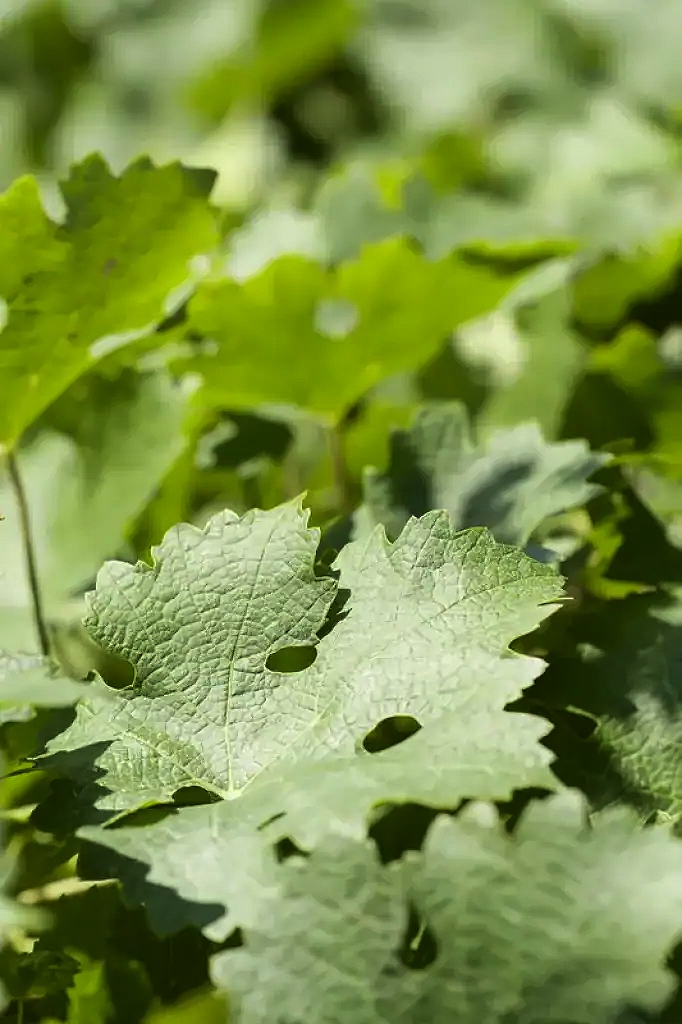
Among them was Carmenère, a Bordeaux grape variety once also known as “Grande Vidure”. It was historically planted alongside Cabernet Sauvignon, Cabernet Franc, Malbec, Petit Verdot, and Merlot—a variety with which it shares many characteristics—and contributed to the identity of some of Bordeaux’s finest wines.

The Resurrection
A Forgotten Grape Variety
The grape variety had disappeared, seemingly lost forever, and survived only in the pages of vineyard history books.
Then, in the early 1990s, Carmenère was brought back to life, rediscovered in the depths of a Chilean vineyard. It was a French ampelography professor—the science dedicated to the study and identification of grape varieties—Claude Valat, who first noticed that some vines presented to him as Merlot displayed unusual characteristics.
A few years later, the truth was revealed: these remarkable “Merlot” vines were, in fact, Carmenère vines that had been brought to Chile shortly before the arrival of phylloxera in Bordeaux.
Chilean winemakers were quick to embrace this Bordeaux grape variety. As early as the spring of 1997, several Chilean wineries began releasing the first bottles of Carmenère to the market.
Here in Bordeaux, this once-overlooked grape variety is authorised in the Bordeaux, Médoc, Premières Côtes de Bordeaux, and Saint-Émilion appellations, and is experiencing a renewed interest among winegrowers and enthusiasts alike.
Carmenère is distinguished by its aromas of blackberry, cherry, and chocolate. On the palate, it reveals a generous, rounded character, highlighting the exceptional fruit expression that defines this unique variety.
When will Carmenère experience its true renaissance in Bordeaux?
Perhaps the answer begins here, at Château Carmenère…
A Family Story & A Passion for Winemaking
The Roots of Château Carmenère
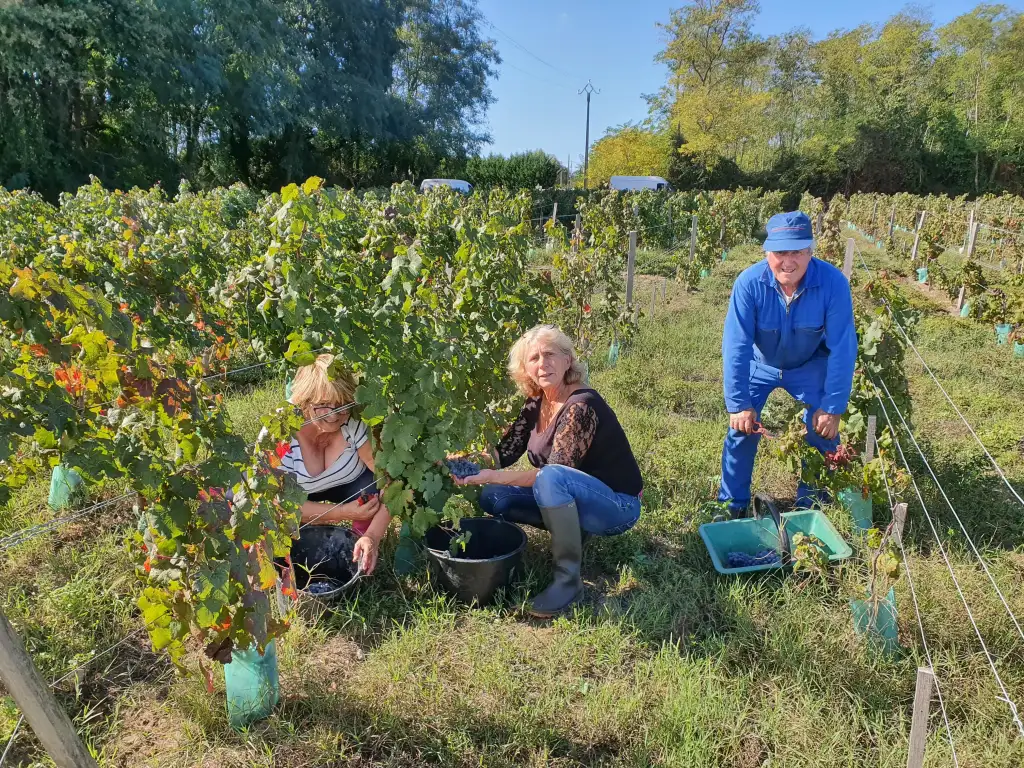
In 1955, the third generation, led by **Pierre Barraud**, marked a decisive turning point by joining the local cooperative winery, breathing new life into the red wines of the **Médoc Appellation d’Origine Contrôlée**.
This was the beginning of **Château Laubespin**, whose heritage was later carried forward by **Alain Barraud**, who expanded the vineyard to reach a total of nine hectares.
The Birth of Château Carmenère
A Dream Fulfilled
The year 2006 marked a defining moment in our history, when Richard Barraud made the bold decision to create Château Carmenère on his family’s ancestral lands.
Beginning with a modest one-hectare vineyard in the Médoc appellation, along with several leased parcels during the early years, the estate gradually took shape around a clear vision: to honour a family heritage while pursuing excellence in winemaking.
Today, Château Carmenère embodies a commitment to tradition, authenticity, and the expression of an exceptional terroir.